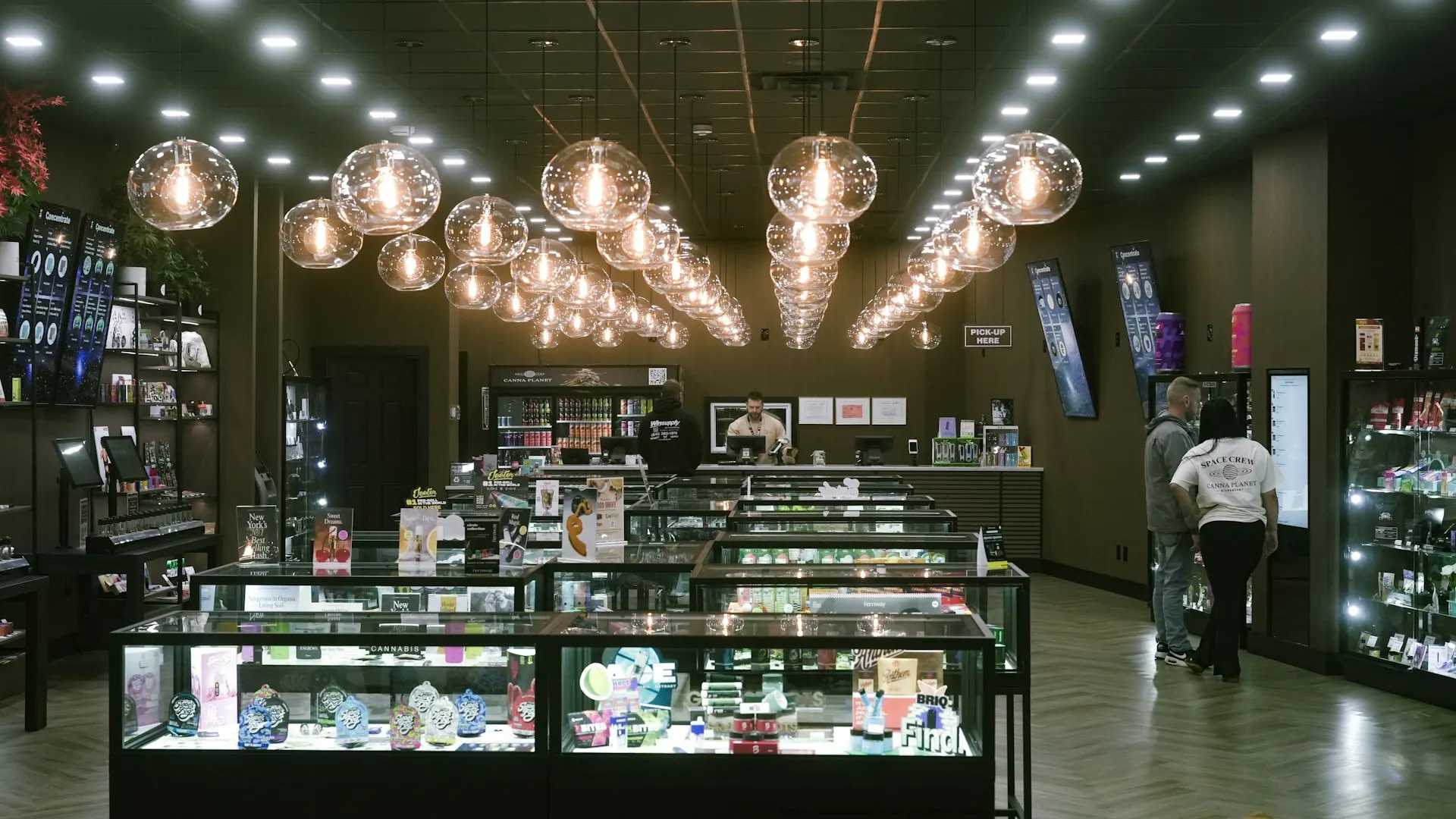
A retail space communicates something to customers before a single product is examined: whether the business is well-run and trustworthy. Streaked glass, dusty shelving, or dirty floors send a signal that undercuts even the best merchandising, regardless of how good the products actually are.
First impressions happen at the entrance
Entryway glass, floors, and the immediate sightline when a customer walks in set the tone before they've engaged with anything else in the store. This is why entryway cleanliness is often prioritized above deeper areas of the store - it's the first and most immediate data point a customer uses to judge the business.
Where retail cleaning needs the most consistent attention
Beyond the entrance, a few areas tend to matter most for ongoing presentation:
- Sales floor - floors cleaned and high-traffic areas spot-cleaned throughout the day
- Fitting rooms and checkout counters - wiped down and reset regularly, not just at close
- Display cases and glass surfaces - kept streak-free and fingerprint-free
- Staff and storage areas - less visible to customers, but still reflect on overall standards if a customer happens to glimpse them
Scheduling cleaning around store hours
Retail cleaning often works best scheduled outside of customer traffic - overnight or before opening - so the space is fully reset without disrupting the shopping experience. For stores with continuous foot traffic throughout the day, spot cleaning during business hours (similar to a day porter model) fills the gap between full resets.
Need this handled, not just explained?
Get a free, no-obligation quote and we'll take it from here.