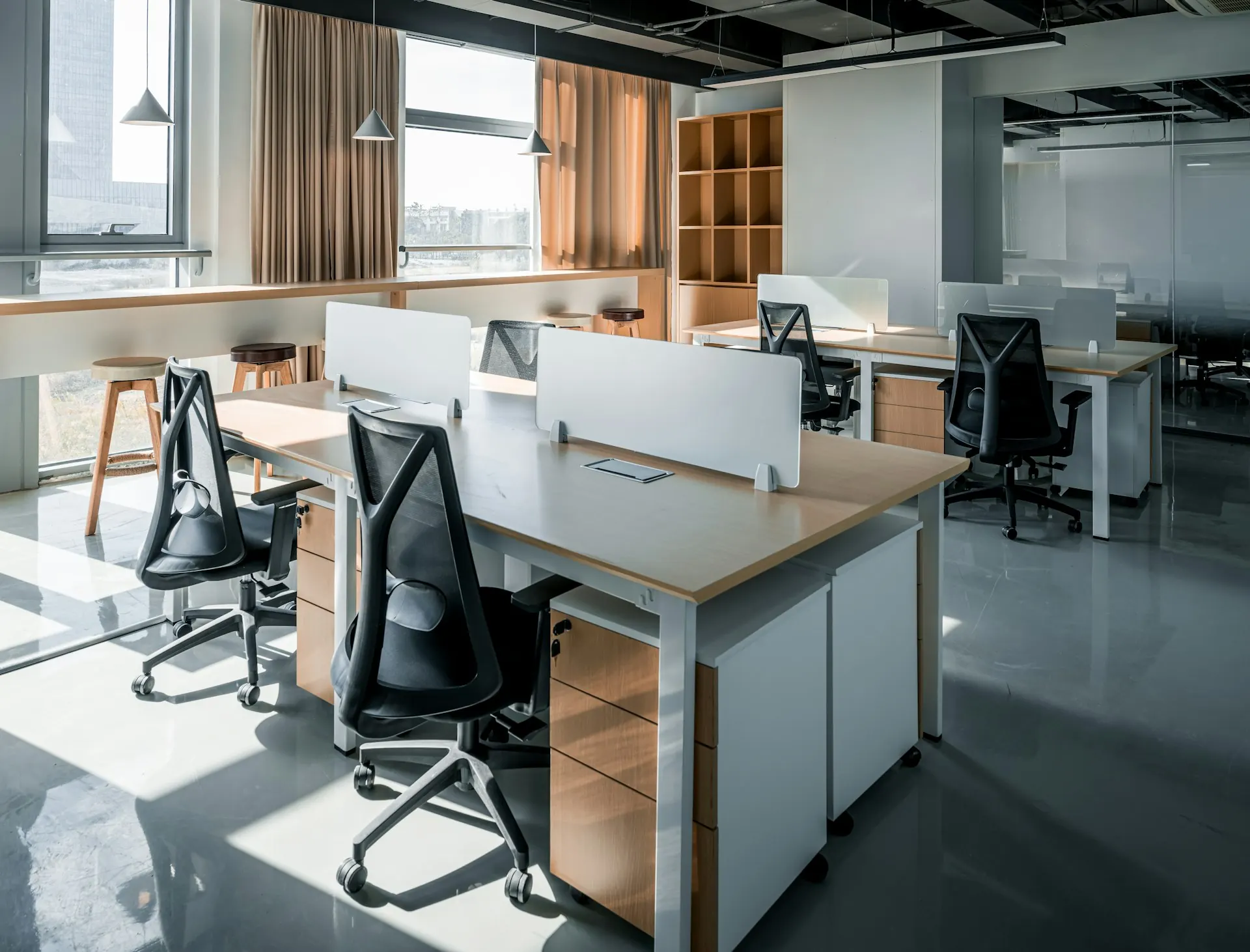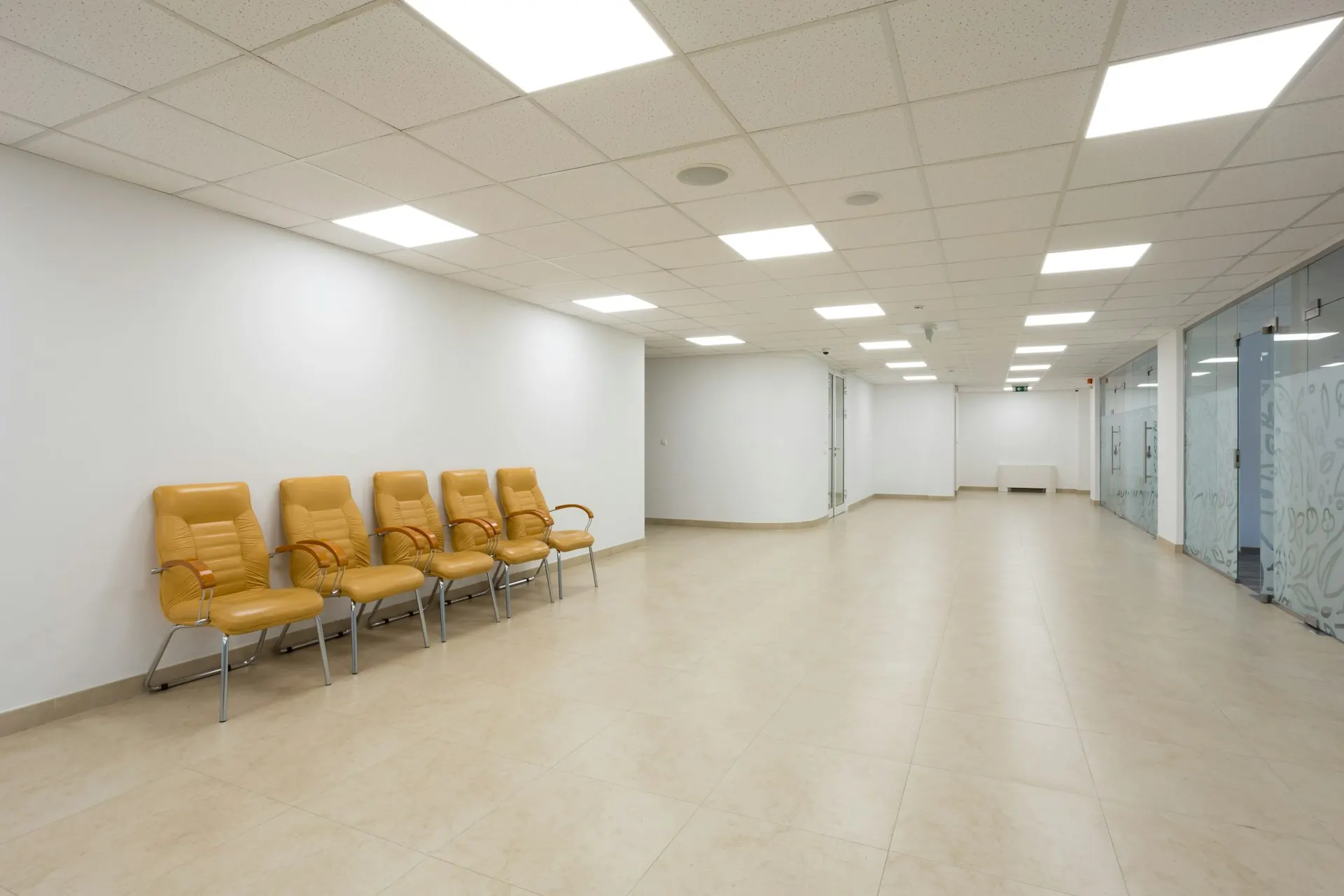
Medical and clinic cleaning covers the non-clinical areas of a healthcare practice - waiting rooms, reception, washrooms, and administrative spaces - with a higher standard of disinfection and hygiene than a typical office, because these are patient-facing spaces where cleanliness directly affects how safe and trustworthy a practice feels.
Non-clinical vs. clinical cleaning: an important distinction
Professional office cleaning services typically handle the non-clinical areas of a medical practice - waiting rooms, reception, washrooms, and administrative offices - rather than treatment or exam room protocols, which usually follow clinical infection-control procedures managed by the practice itself. Understanding this distinction upfront avoids confusion about scope.
What elevates medical office cleaning above a standard office clean
A few things distinguish medical and clinic cleaning from typical commercial cleaning:
- Hospital-grade disinfectants used on high-touch surfaces in patient-facing areas
- More frequent attention to waiting room chairs, counters, and door handles given continuous patient turnover
- Washroom sanitation with restocking coordination, given higher usage than a typical office
- Flexible scheduling around patient hours - before opening, after closing, or during natural gaps in the schedule
Why consistency matters even more in a healthcare setting
Patients notice cleanliness in a medical office more acutely than in most commercial settings - it directly affects their sense of safety and trust in the practice. A consistent cleaning team that understands the clinic's specific layout and priorities reduces the risk of inconsistent results in a setting where that inconsistency is especially visible.
Need this handled, not just explained?
Get a free, no-obligation quote and we'll take it from here.